
A life timeline puts events in order so you can see what happened before and after them. Begin with dates you know, then add places, people and ordinary periods that matter to the person whose life it describes. Leave uncertain dates visibly uncertain.
Print the life timeline worksheet. You can also copy the table below into a notebook.
Start with five anchors
Choose five events the person wants to include. A meaningful milestone doesn’t have to be a marriage, a degree or another conventional achievement. If you’re stuck, run through this list and ask which ones apply:
- Birth, and where the family was living then
- First home they remember
- Starting and leaving school
- A first job, and later jobs that mattered
- Leaving home or moving to a new town or country
- Meeting a partner or close friend
- Marriage, separation or divorce
- Children or grandchildren born
- Learning a skill, a language or a trade
- An illness, recovery or accident
- Losing someone close
- Retirement or a change in the kind of work they did
- A trip that stayed with them
- A war, a disaster or another public event they lived through
Write one event per row:
| Date or period | Place | What happened | How we know | Story to ask about |
|---|---|---|---|---|
| About 1978 | A first rented room | Moved away from home | Recollection; date unconfirmed | What did the room look like? |
| June 12, 1994 | Local park | Family picnic | Dated photograph | Who organized it? |
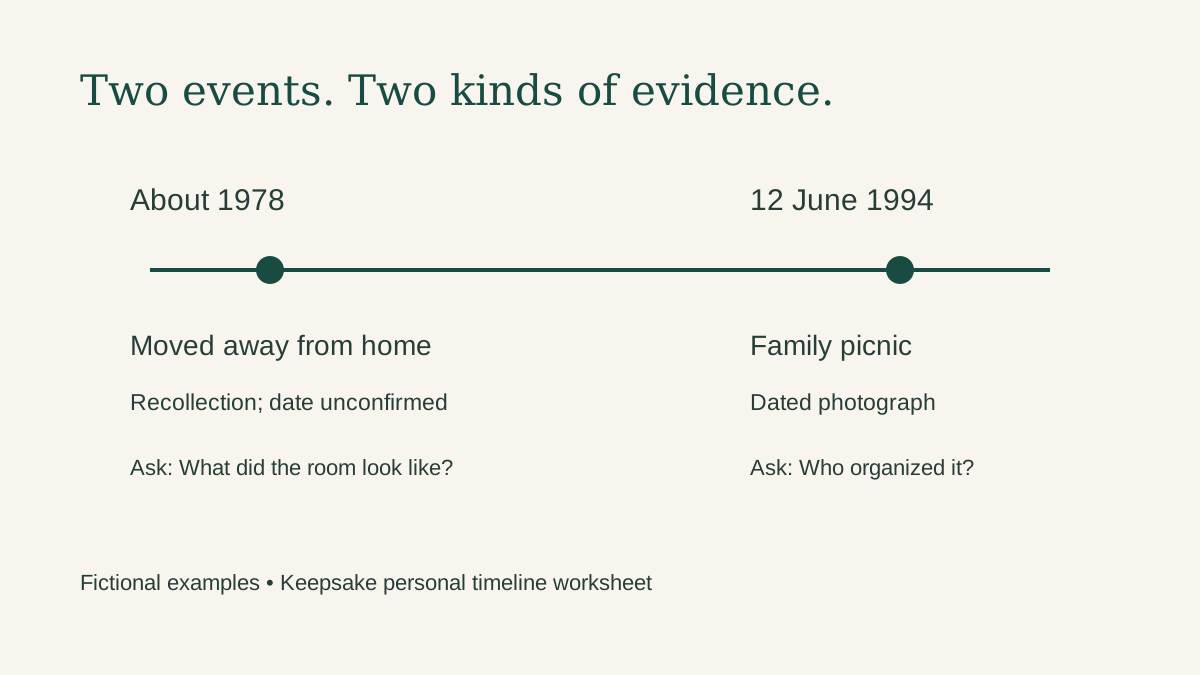
These rows are fictional examples. Use a range or “about” when someone is unsure, and keep conflicting accounts alongside each other.
Add the years between milestones
A timeline made only of major events misses much of a life. Ask about routines: commuting, caring for someone, keeping a garden, sharing a house or saving for a trip.
Useful questions include:
- Who did you see regularly during those years?
- What did an ordinary weekday look like?
- Where did you feel at home?
- What were you learning or hoping for?
- Which small change mattered more than it appeared to?
- Was there a long period you would describe in your own terms?
Do not demand a positive lesson from a hard period. The person can name it briefly, skip it or keep it private.
Connect evidence without making it a research project
A photograph, letter or document can help place an event. Note what the item actually establishes. A date written on a photograph is a clue, not proof of when it was taken. Record who supplied the date and distinguish it from details visible in the picture.
Keep copies of useful items and record their owner. Add a filename to your notes so you can find the item again. If you later establish a date, update the timeline while preserving the earlier recollection where it matters.
Turn one row into a story
Choose a row with a person, place or decision attached. Ask what happened just before it, who was there and what happened next. A timeline is an index to stories, not a substitute for them.
For a family interview, use the interview guide. Start with an event the speaker chooses rather than working through every year in order.
Decide what to share
Keep a private working timeline separate from a version you plan to show relatives. Ask the person to review sensitive details, names and photographs. Their willingness to tell you something does not automatically mean they want it printed or posted.
A short timeline can become the opening of a family history book, with longer accounts following it. It is also useful on its own.